

LayerrNFT Launch Pad
My Role
I joined as the founding product designer and owned design well beyond the individual contributor scope. I built the design function from the ground up (strategy, team, system, and process) while simultaneously leading the full platform redesign. This was a dual mandate: ship a better product and build the infrastructure for the team to keep shipping at quality.
- Design Leadership: Built and led the design team. Established standards, a review cadence, and a working rhythm between design, product and engineering.
- Brand & Positioning: Led the full rebrand, repositioning Layerr's visual and strategic identity to support mainstream adoption of a Web3-native platform.
- UX Strategy: Defined product direction through user research, partner feedback, and competitive analysis. Turned that signal into a ranked set of design decisions we could sequence and defend.
- Platform Architecture: Led IA restructuring, interaction redesign, and information hierarchy, rebuilding the structure the product sat on.
- Design System: Architected the component library, token system and governance model. Enabled the team to ship consistently without re-solving the same problems sprint over sprint.

Design Challenges
Layerr had traction but no design foundation. When I took ownership, the product had unclear direction, a broken UI, and a UX that exposed blockchain complexity instead of abstracting it. I defined what needed to be true structurally before any surface-level design work could hold.
- No agreed direction: Established design principles and platform goals, the shared foundation all execution depended on.
- Broken UI System: Rebuilt the interface from the component level, not a reskin, but a structural replacement that could support the new product architecture.
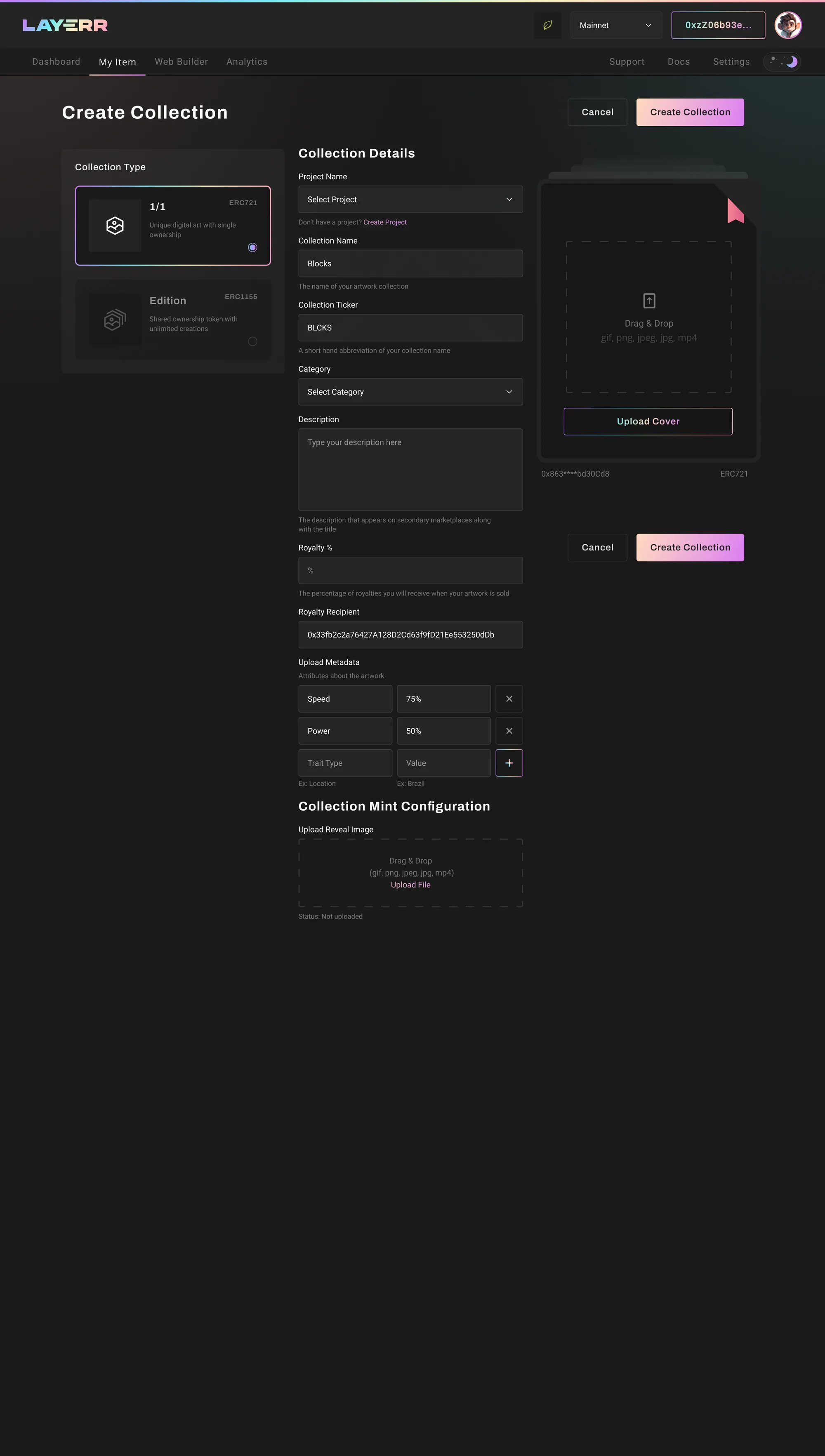
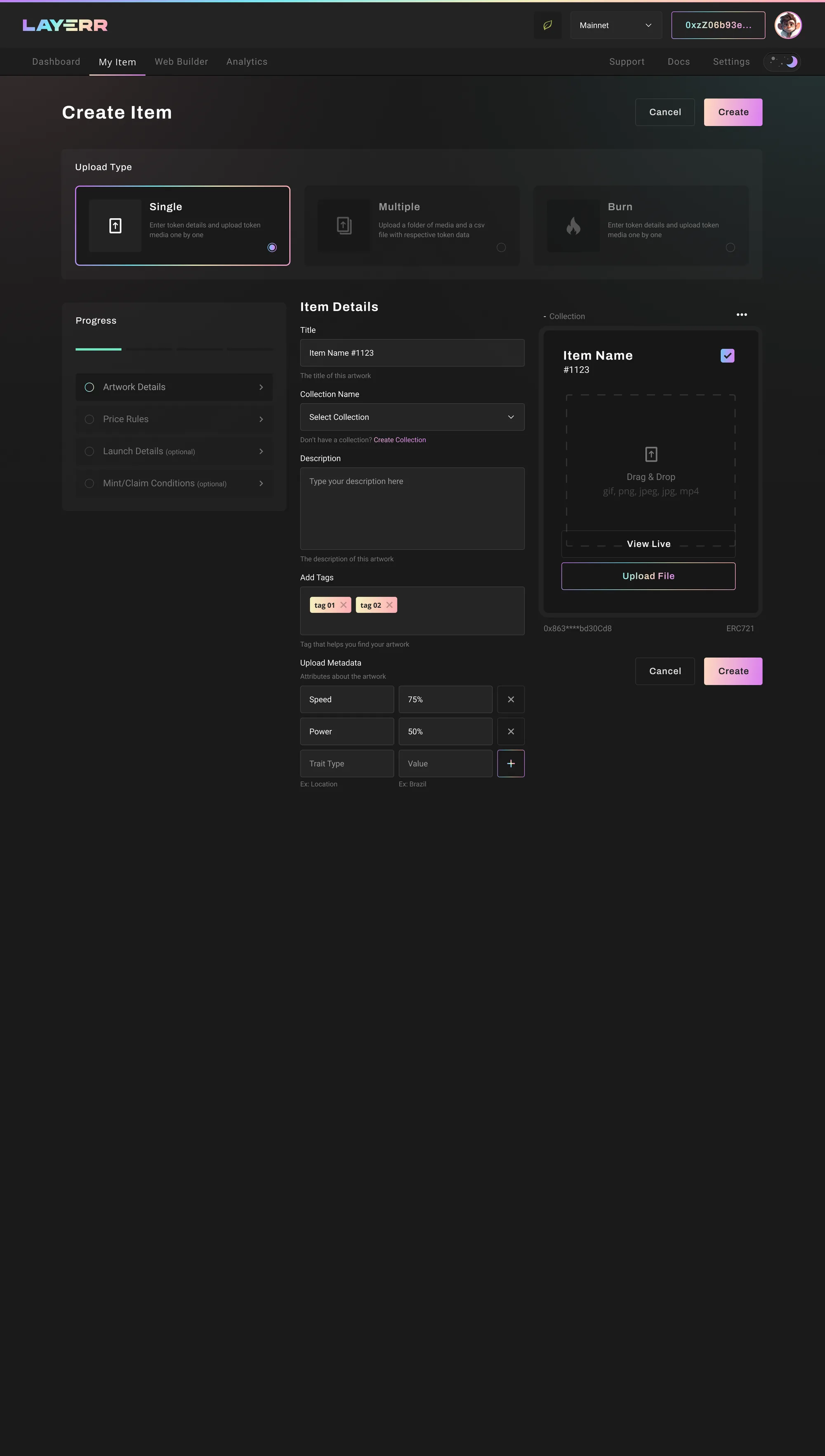
- UX Complexity: Redesigned core flows to Web2 standards, abstracting blockchain mechanics while preserving decentralized functionality. The tradeoff: scope creep risk. The decision: full IA overhaul in parallel with visual work.
- Cross-Surface Consistency: Redesigned IA, flows, and visual language simultaneously without breaking engineering continuity, held together by a standing line to the product and engineering leads.
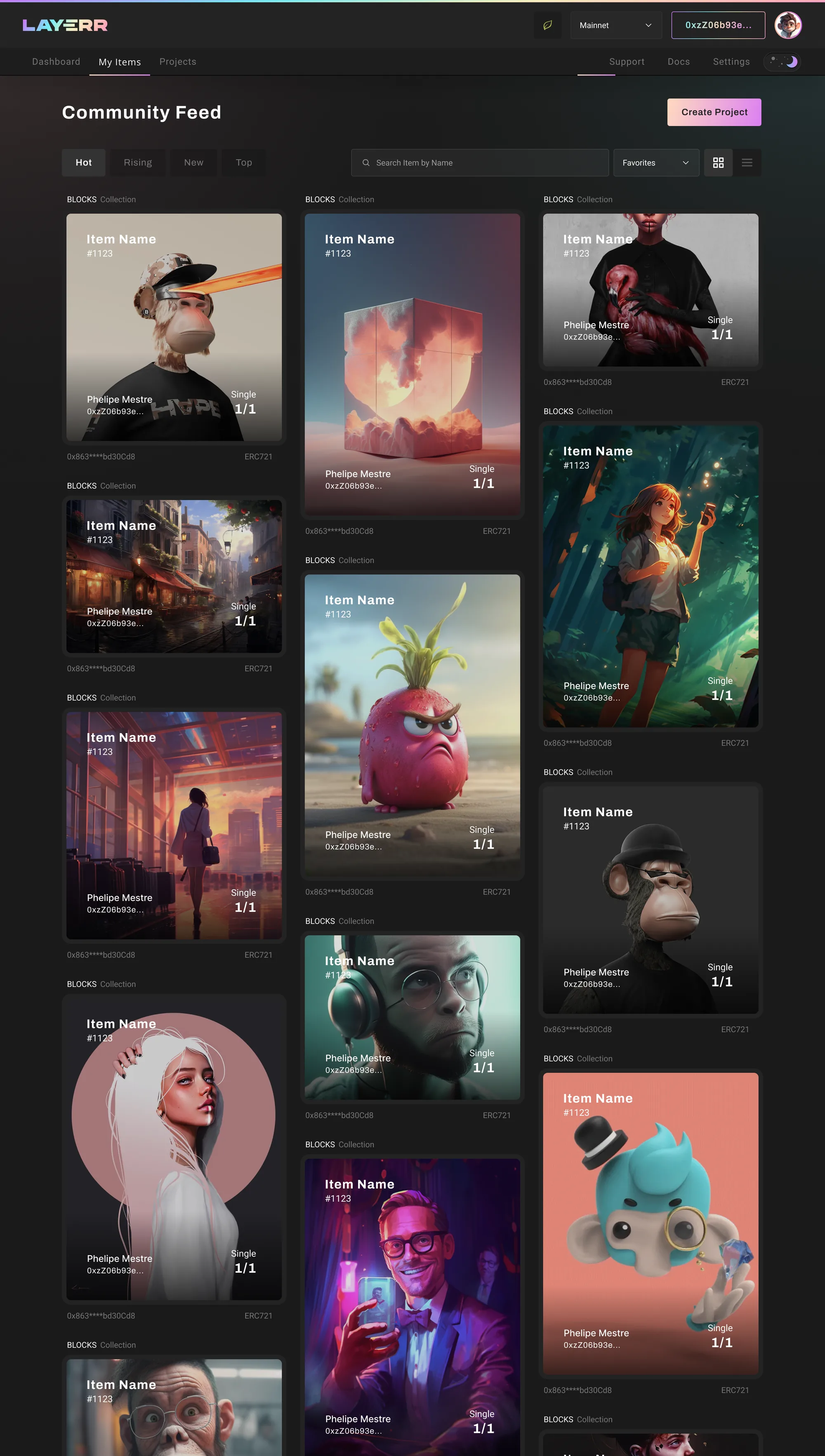
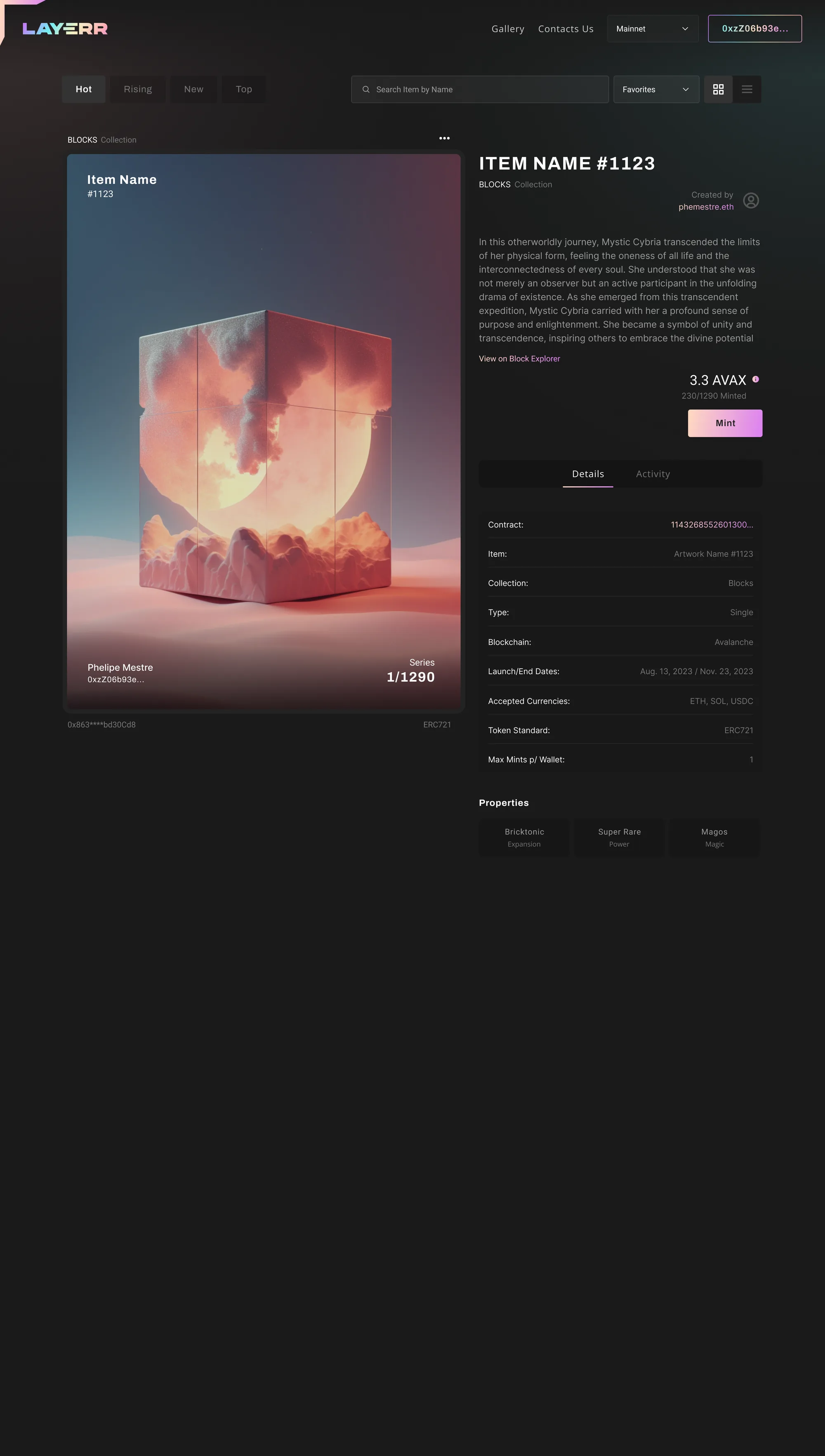
- Adoption Architecture: Built the interaction model that made Web3 accessible to mainstream users, the single most leveraged design decision in the platform.
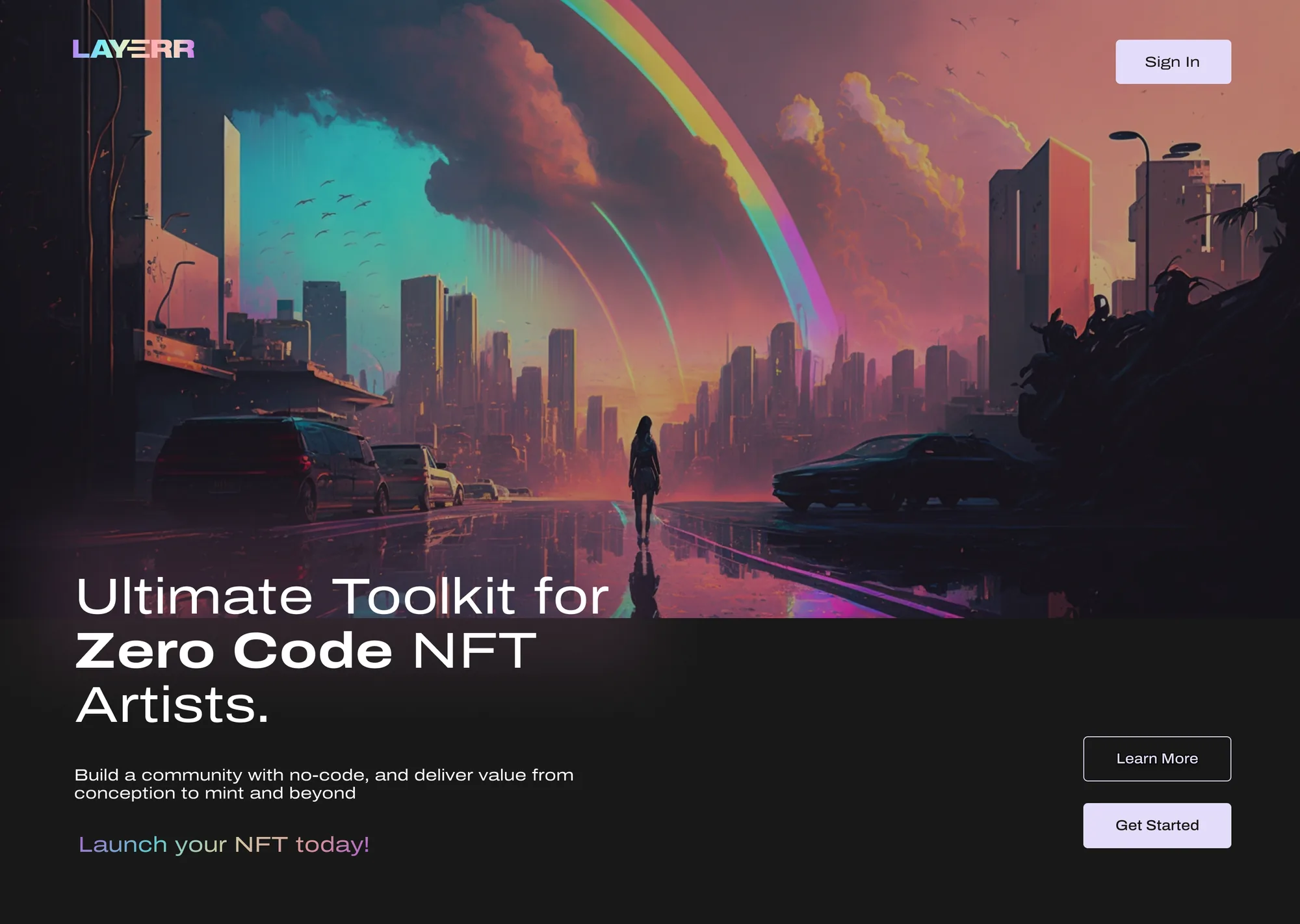
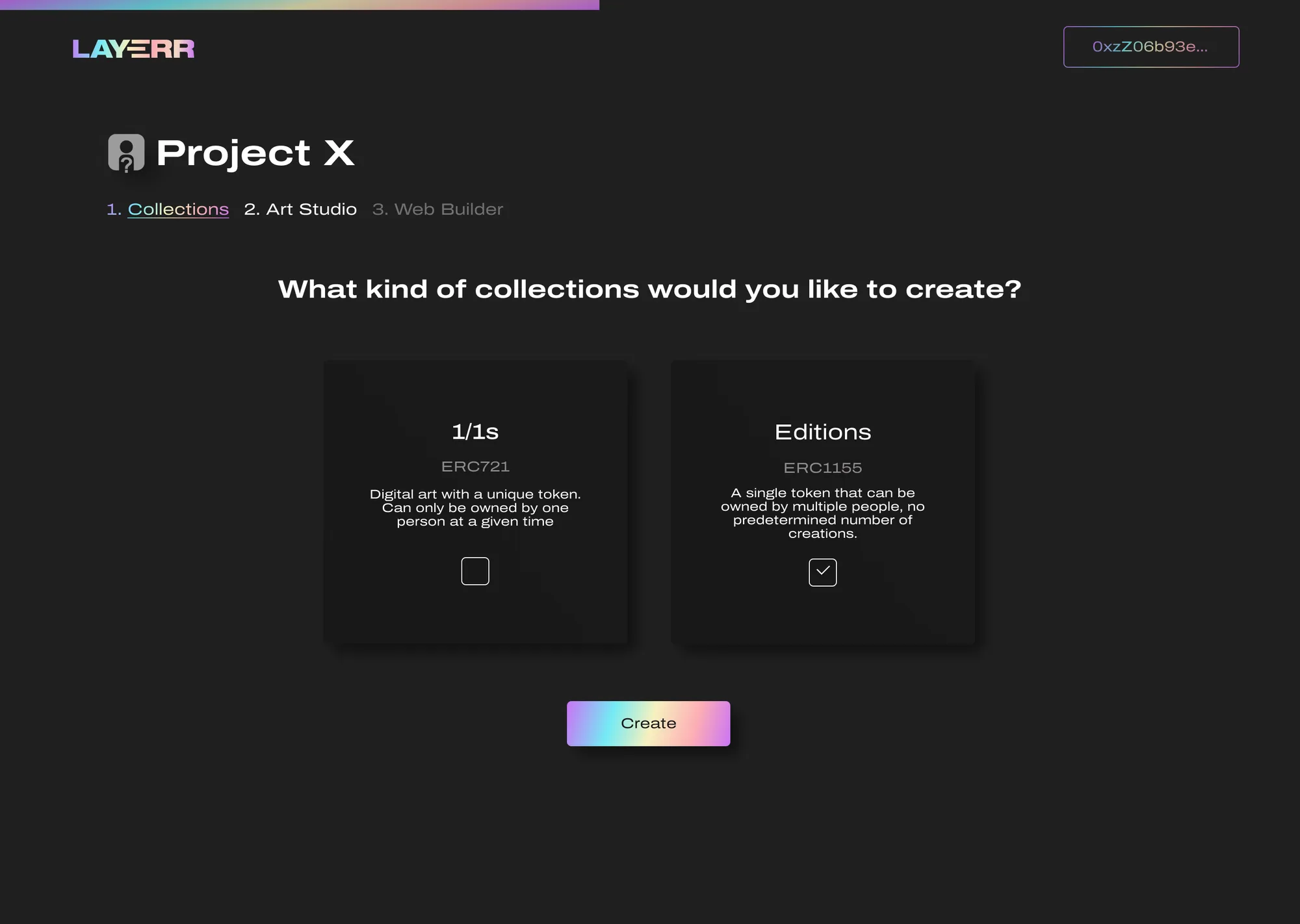
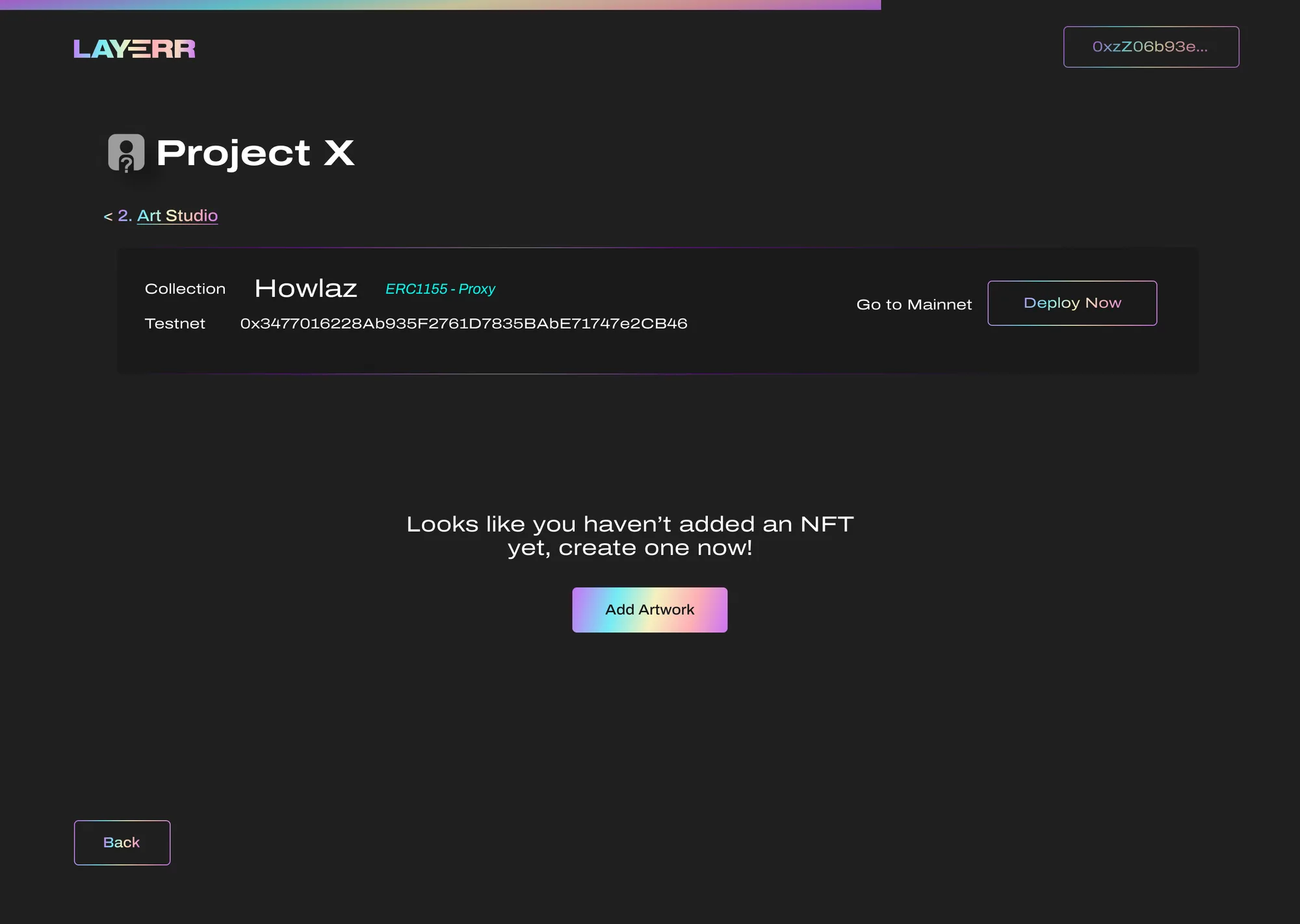

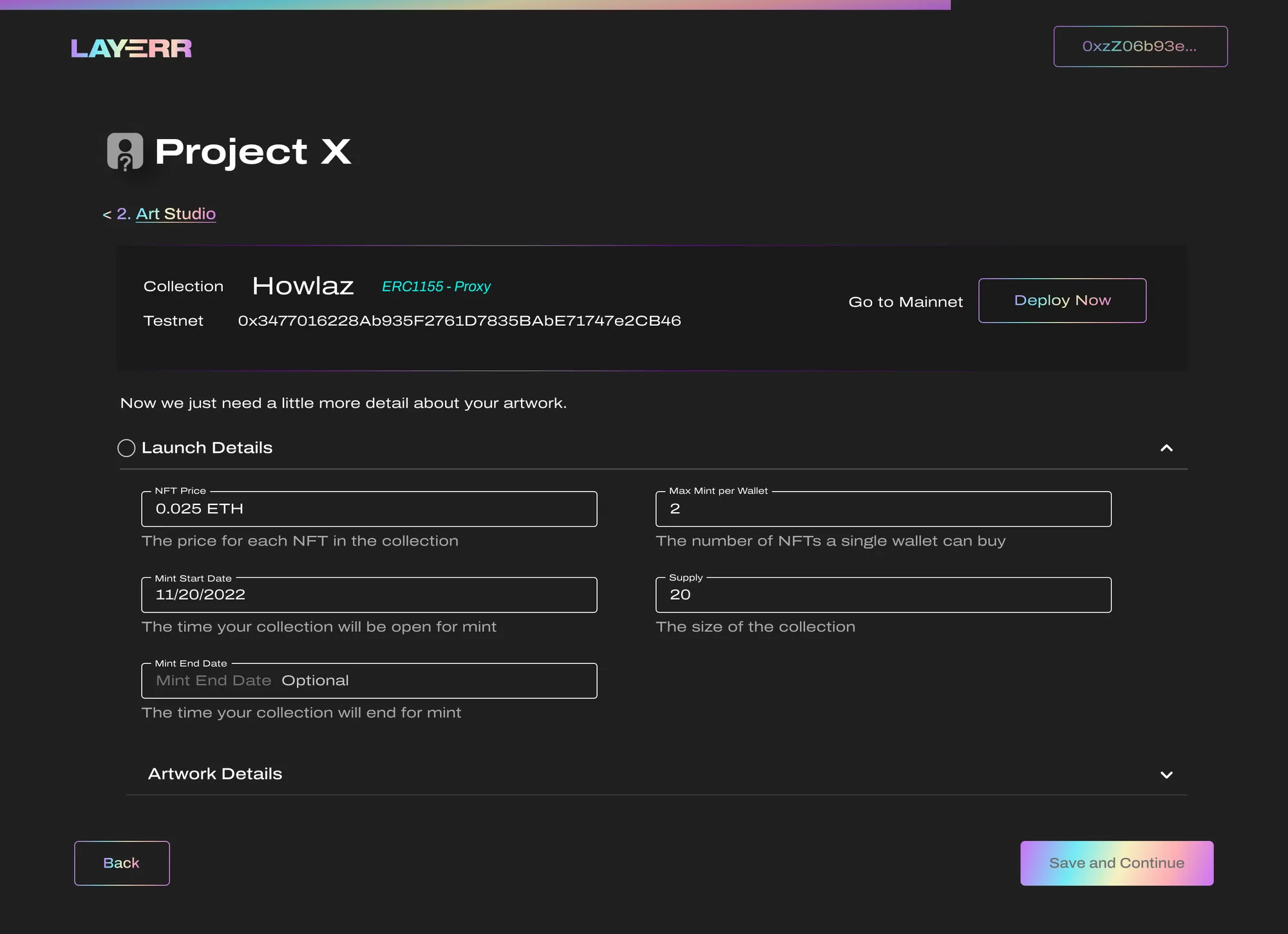
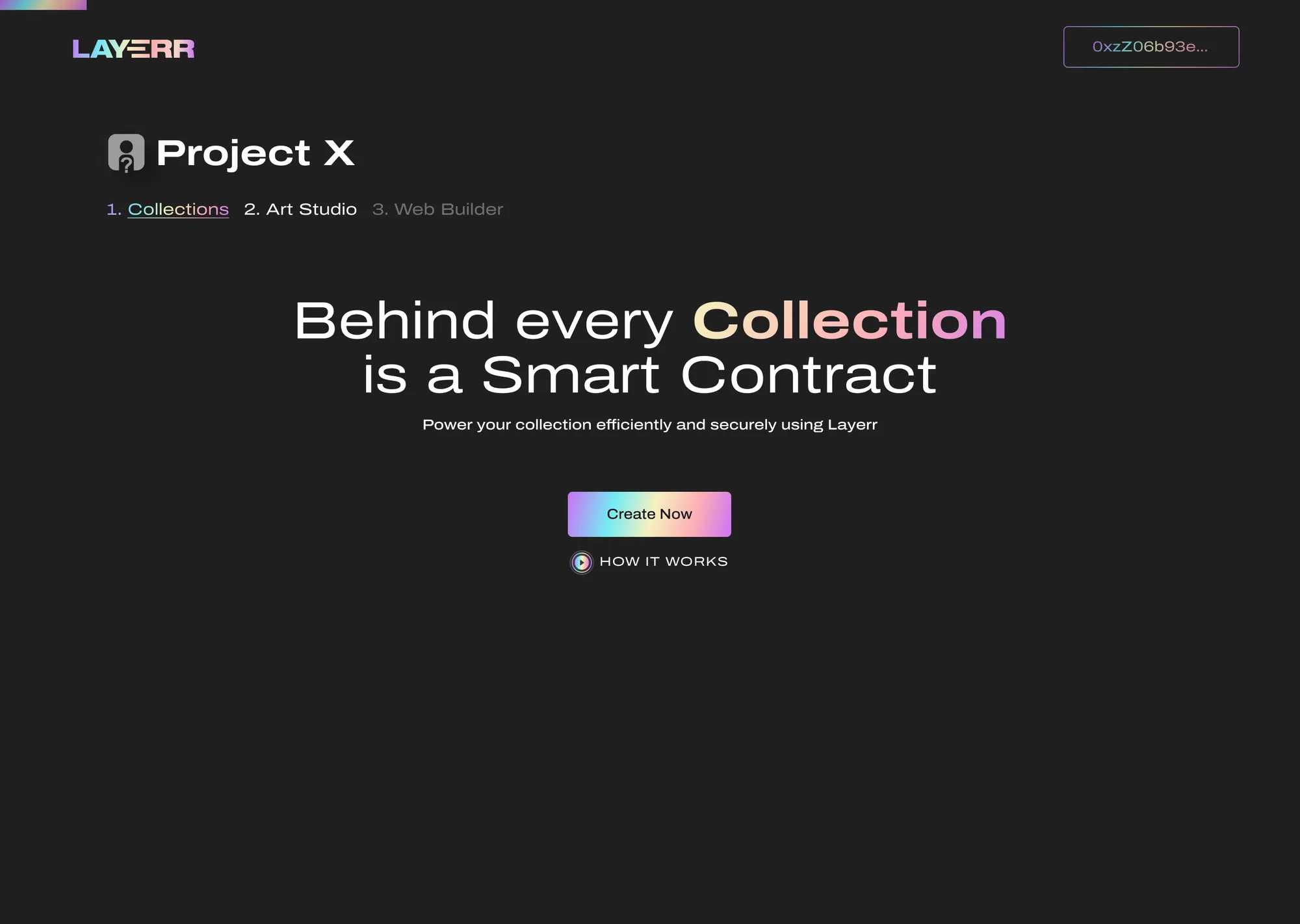
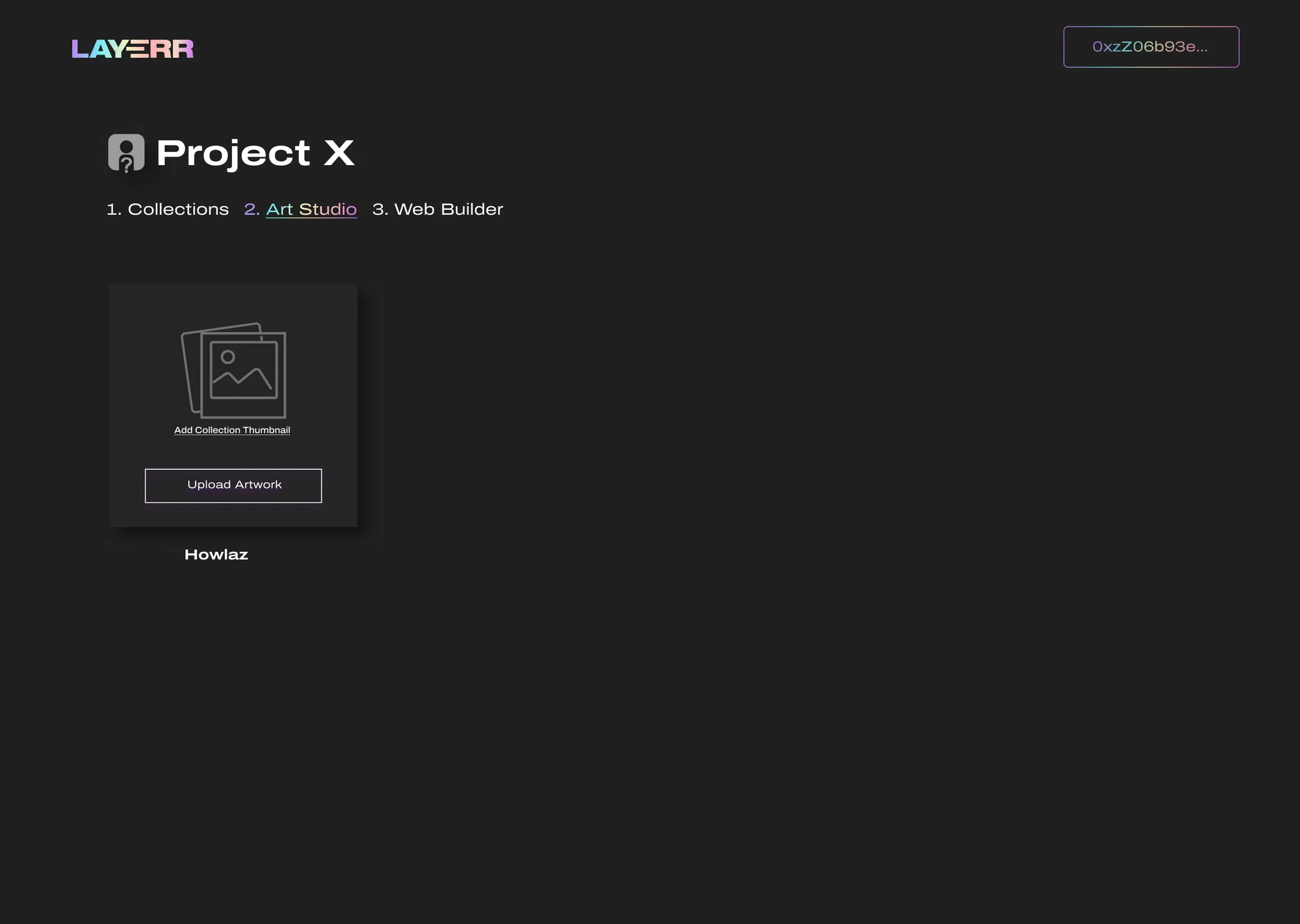
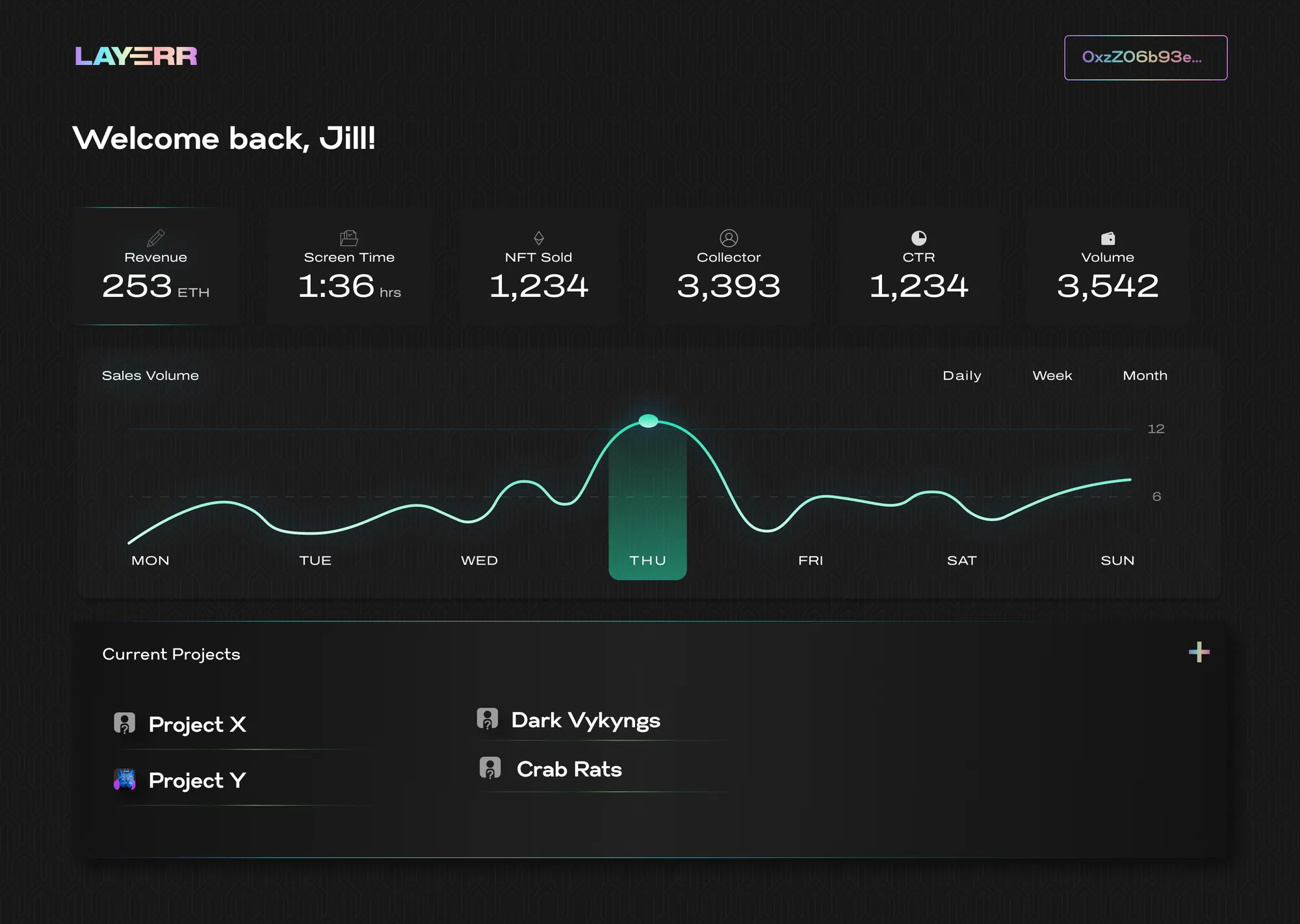
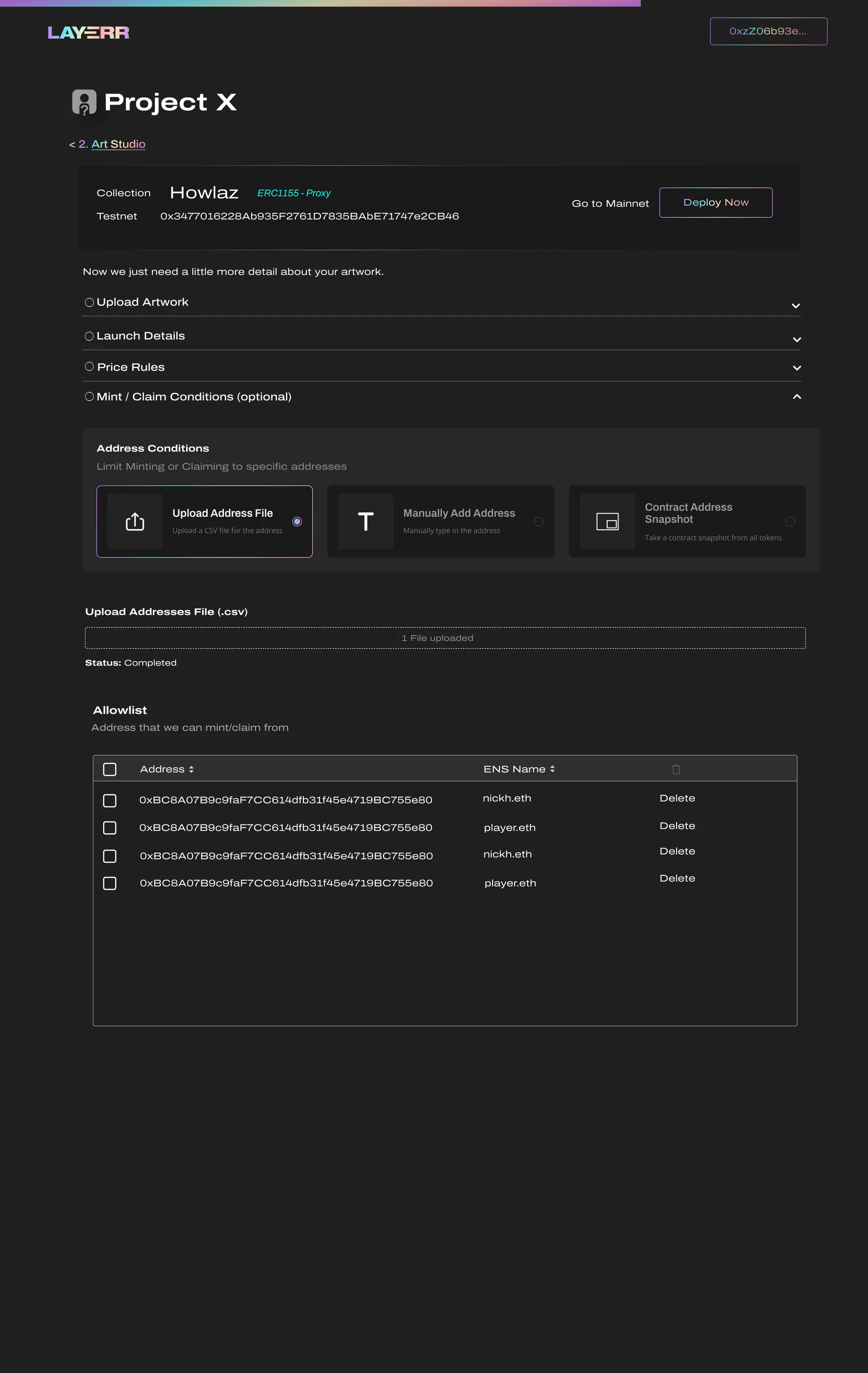

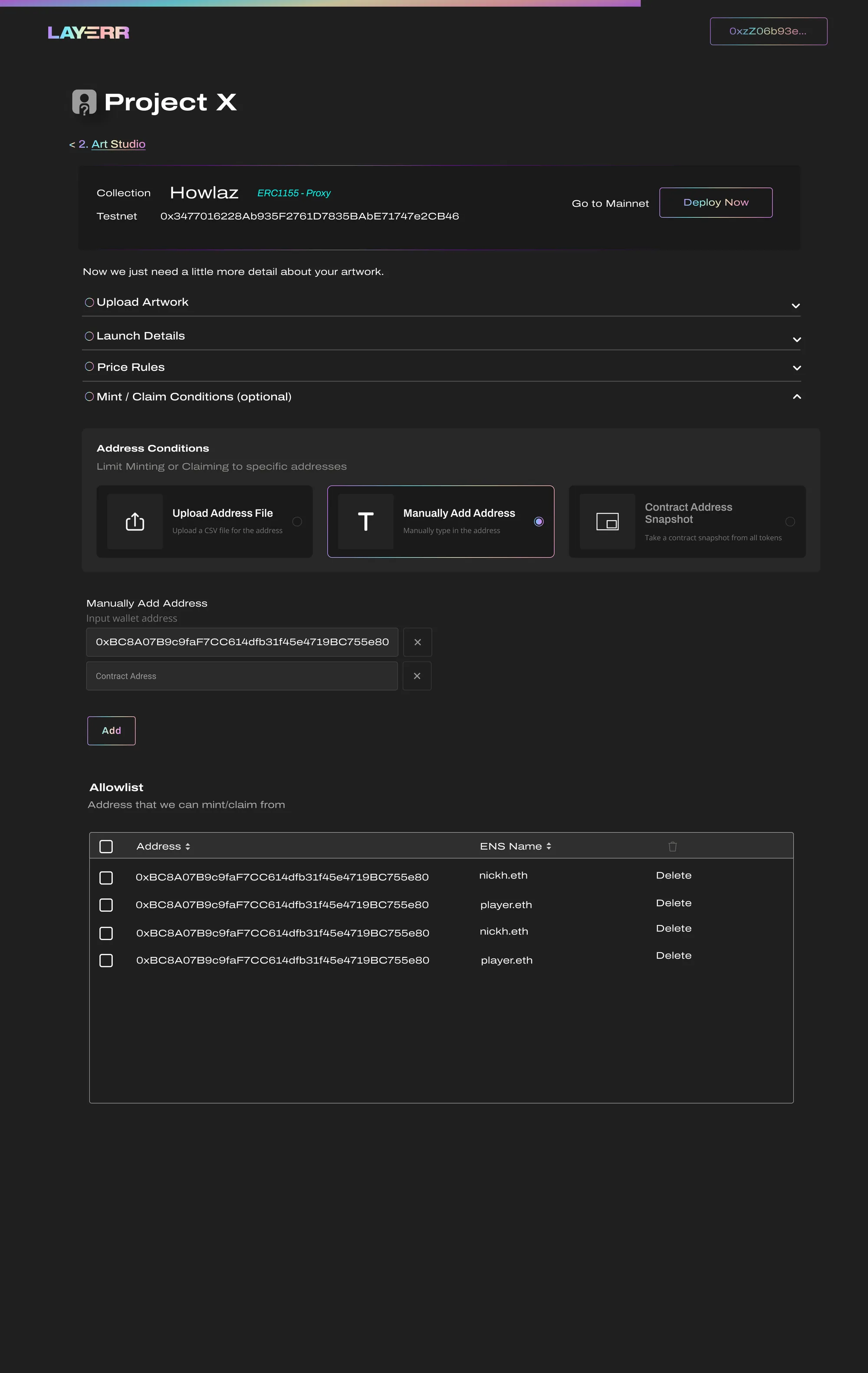
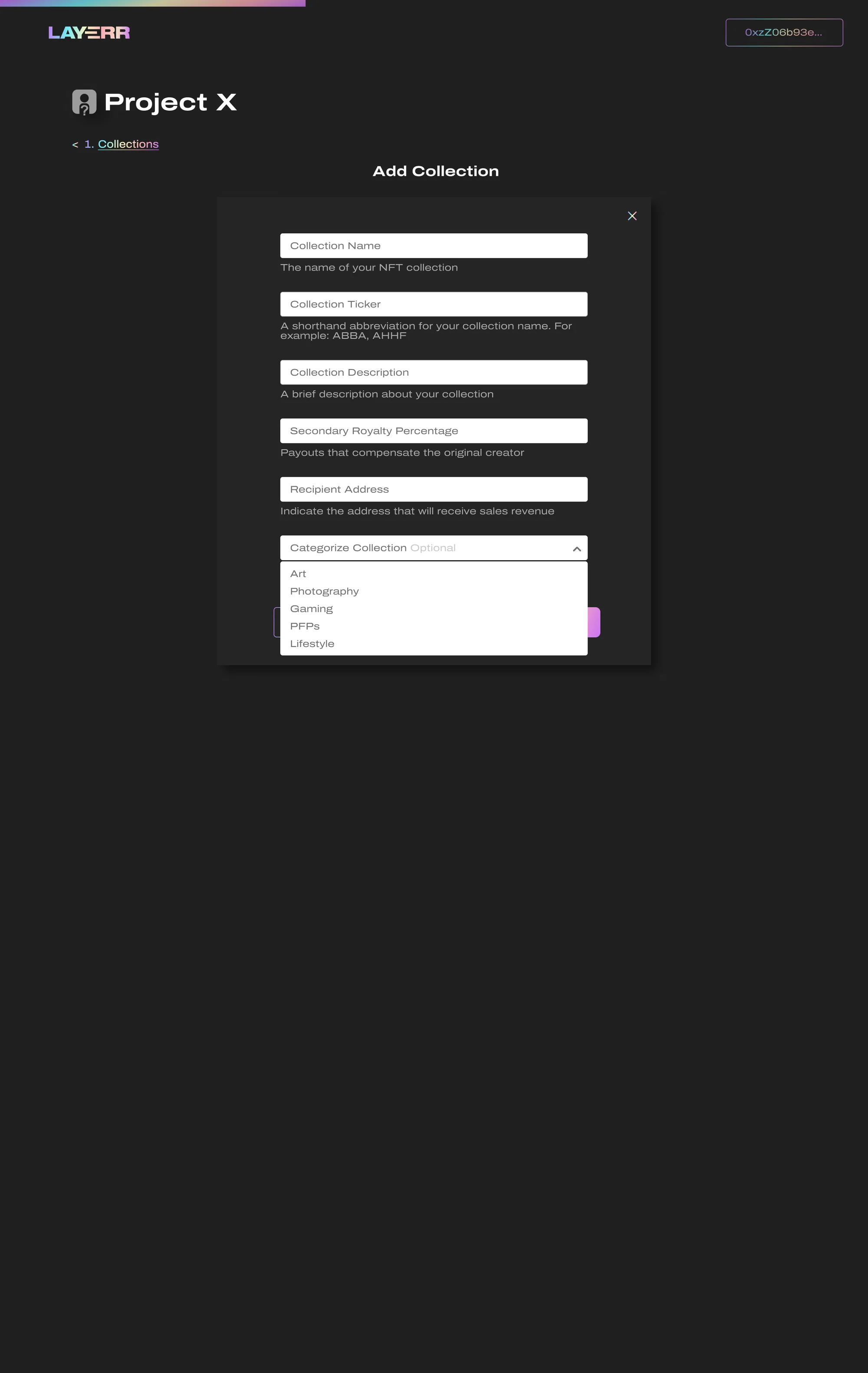
Platform Overhaul
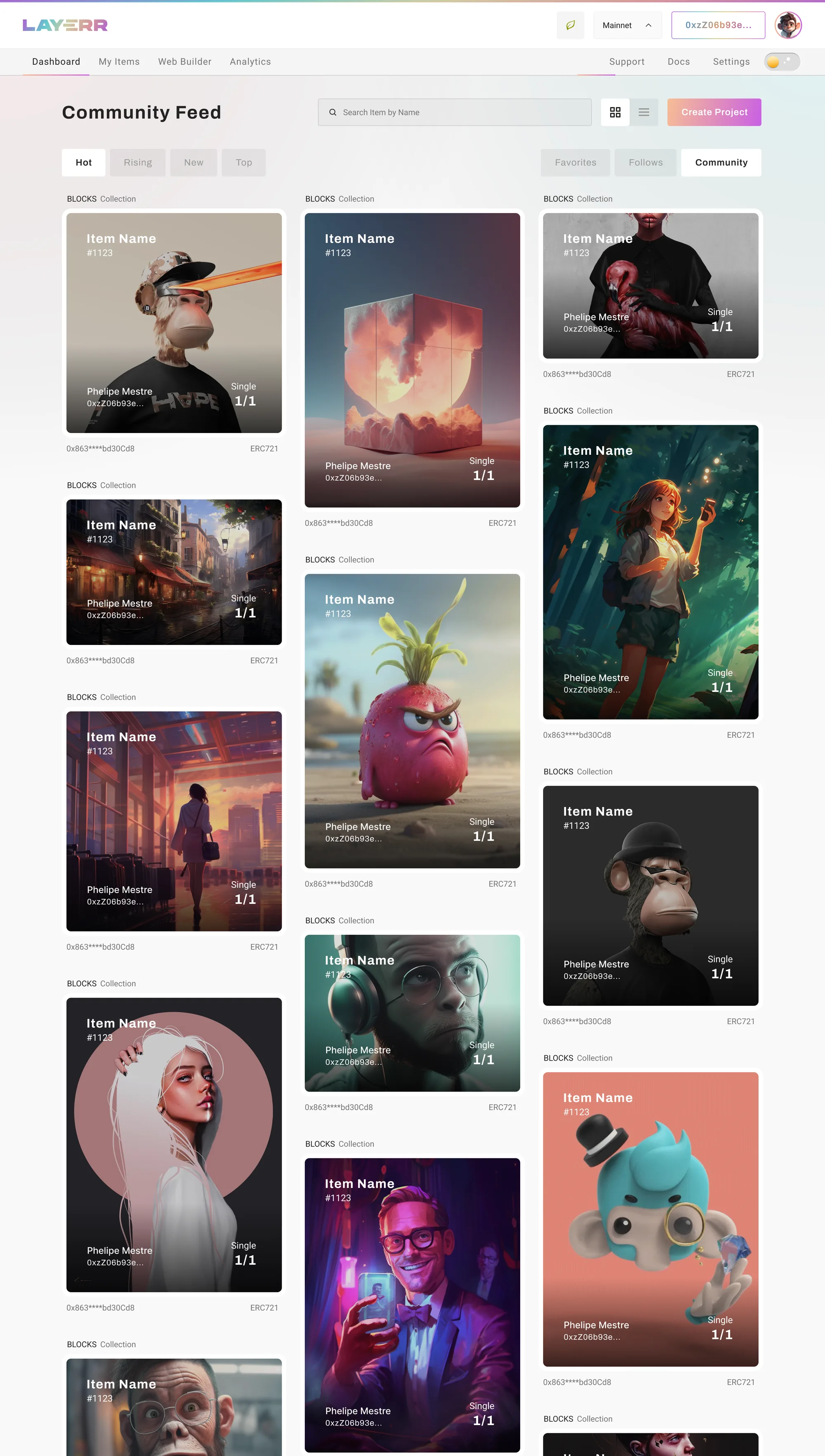
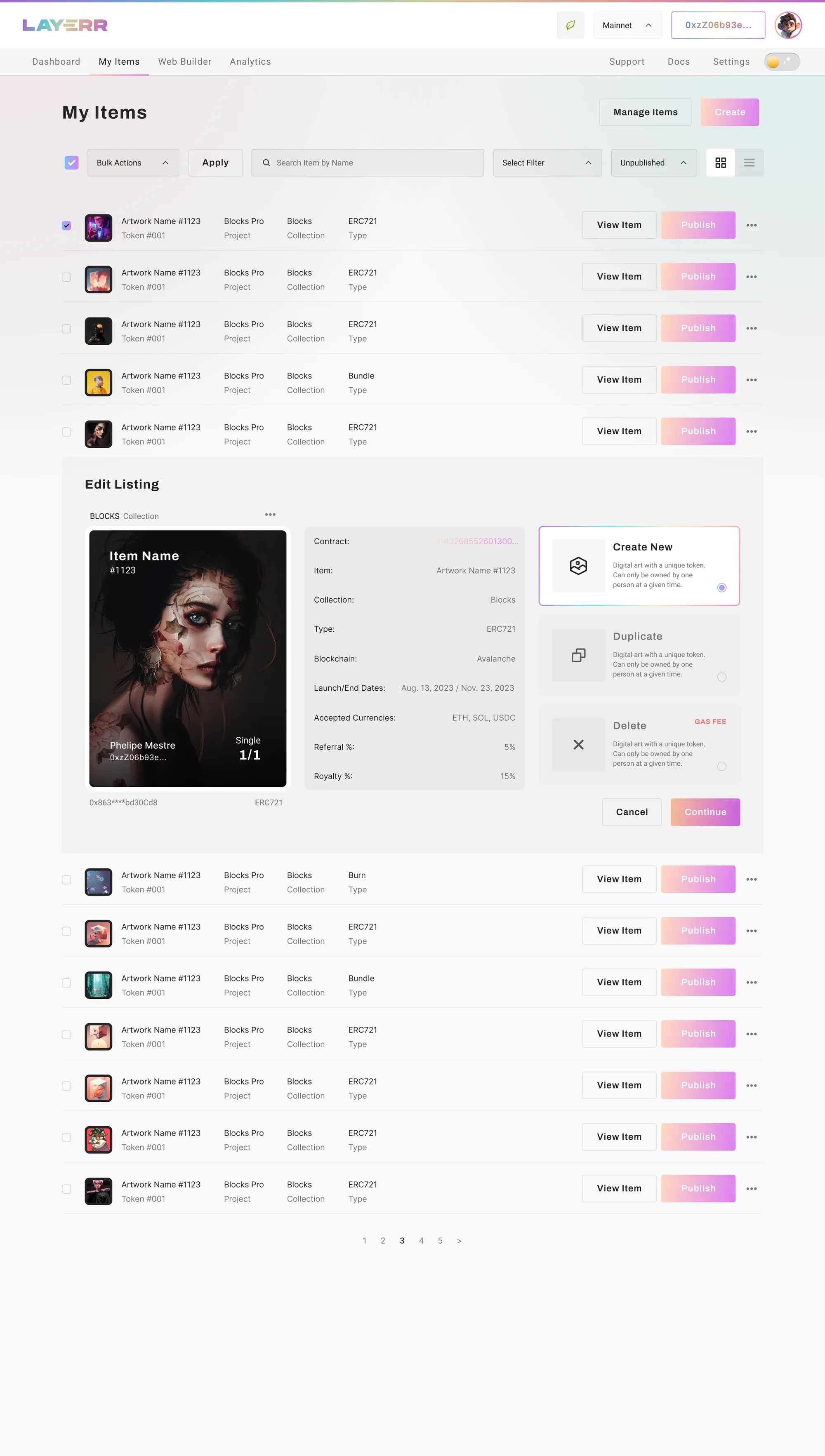
The overhaul touched every layer: information architecture, interaction model, visual system, and component infrastructure. The standard was simple. The platform had to feel Web2-native to users while running Web3 underneath. Every design decision was evaluated against that constraint.
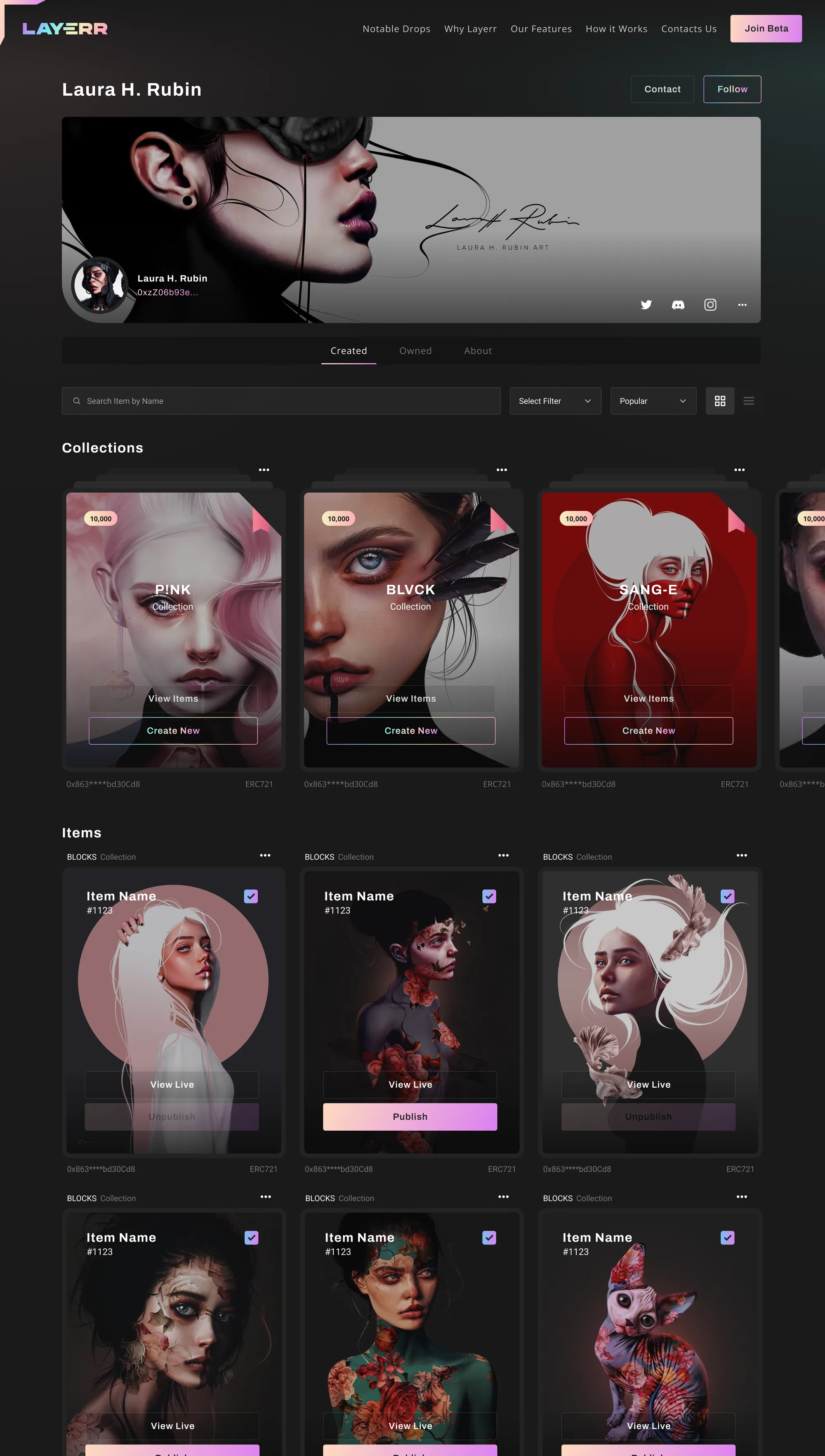
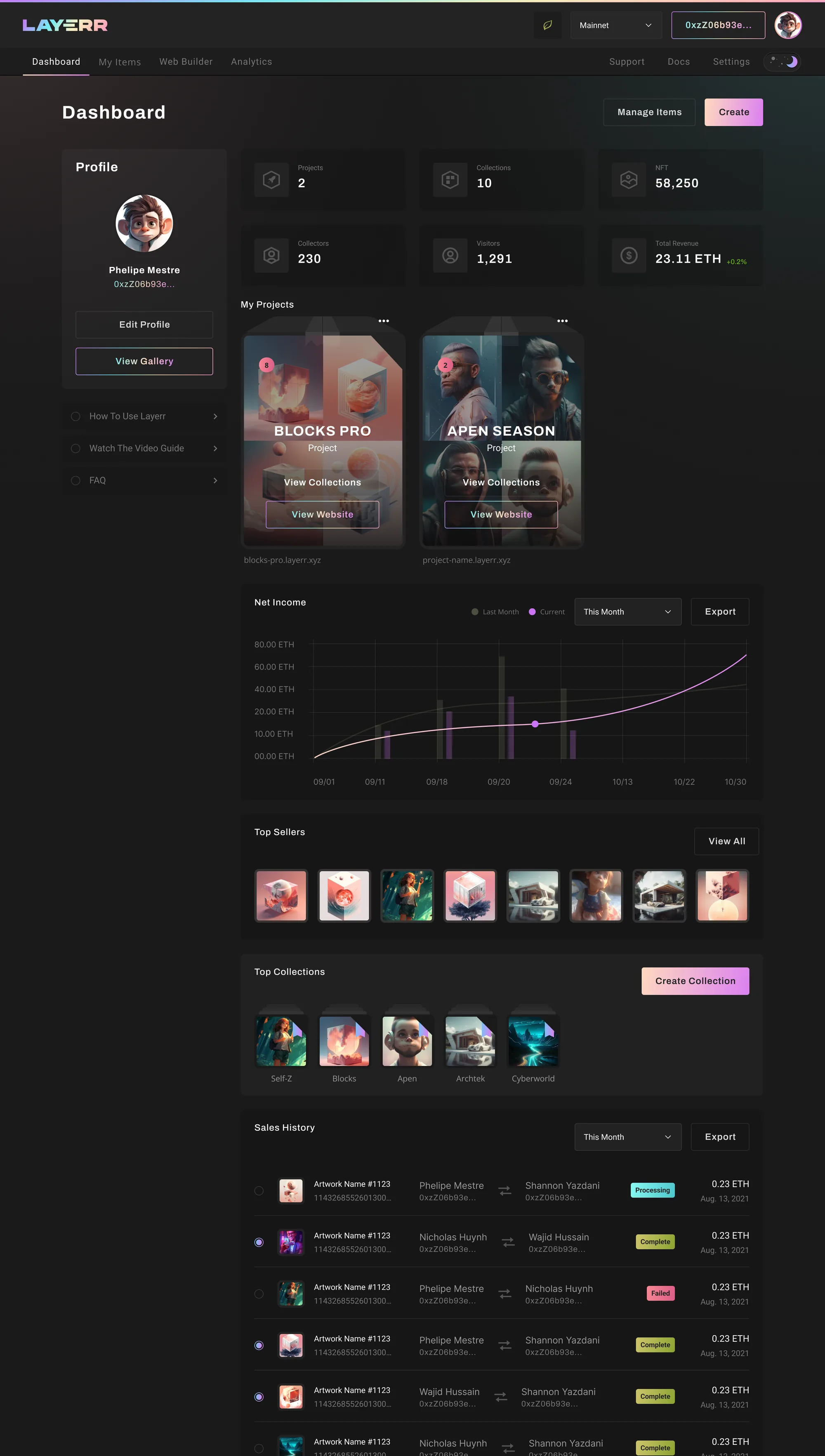
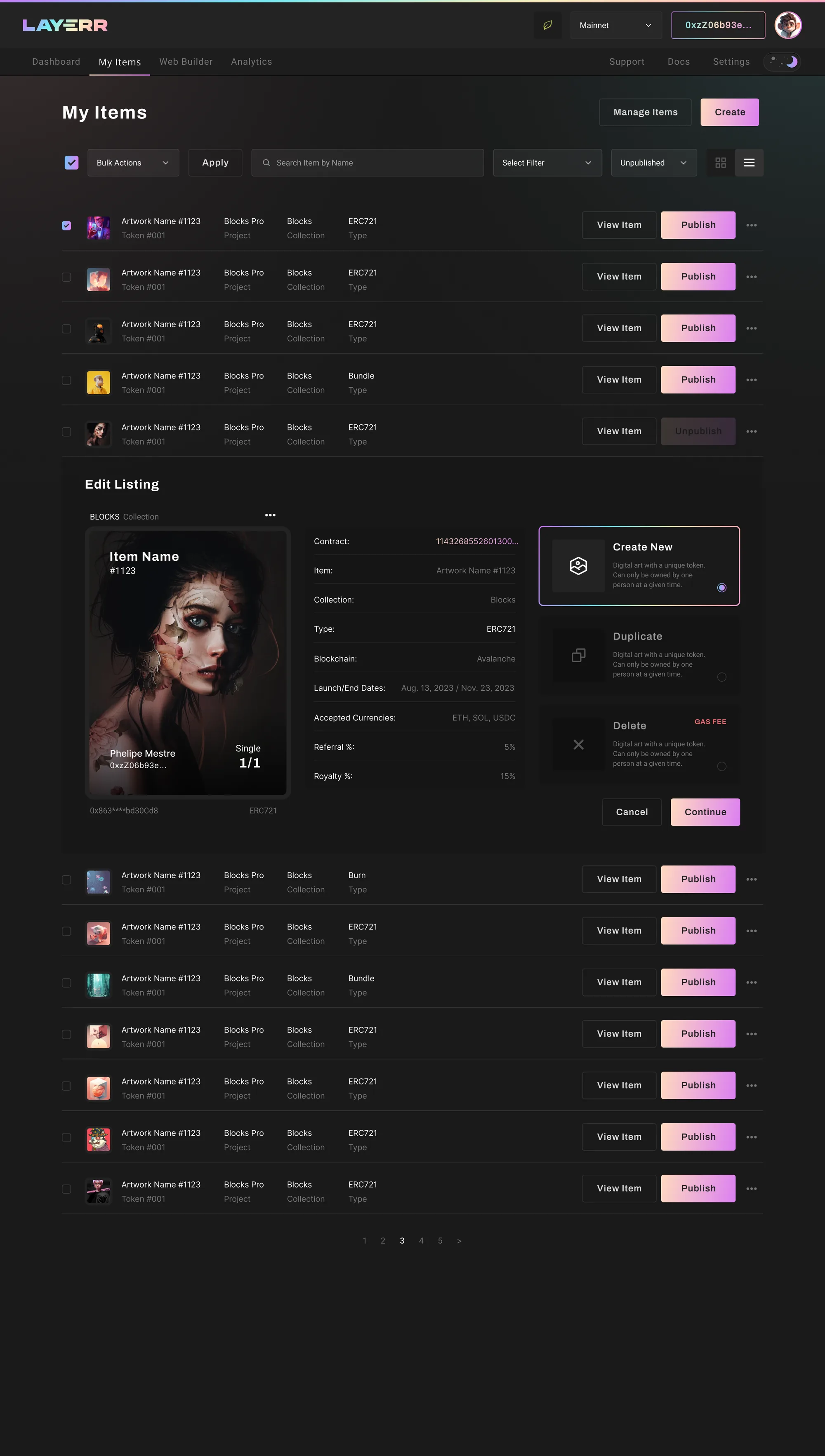
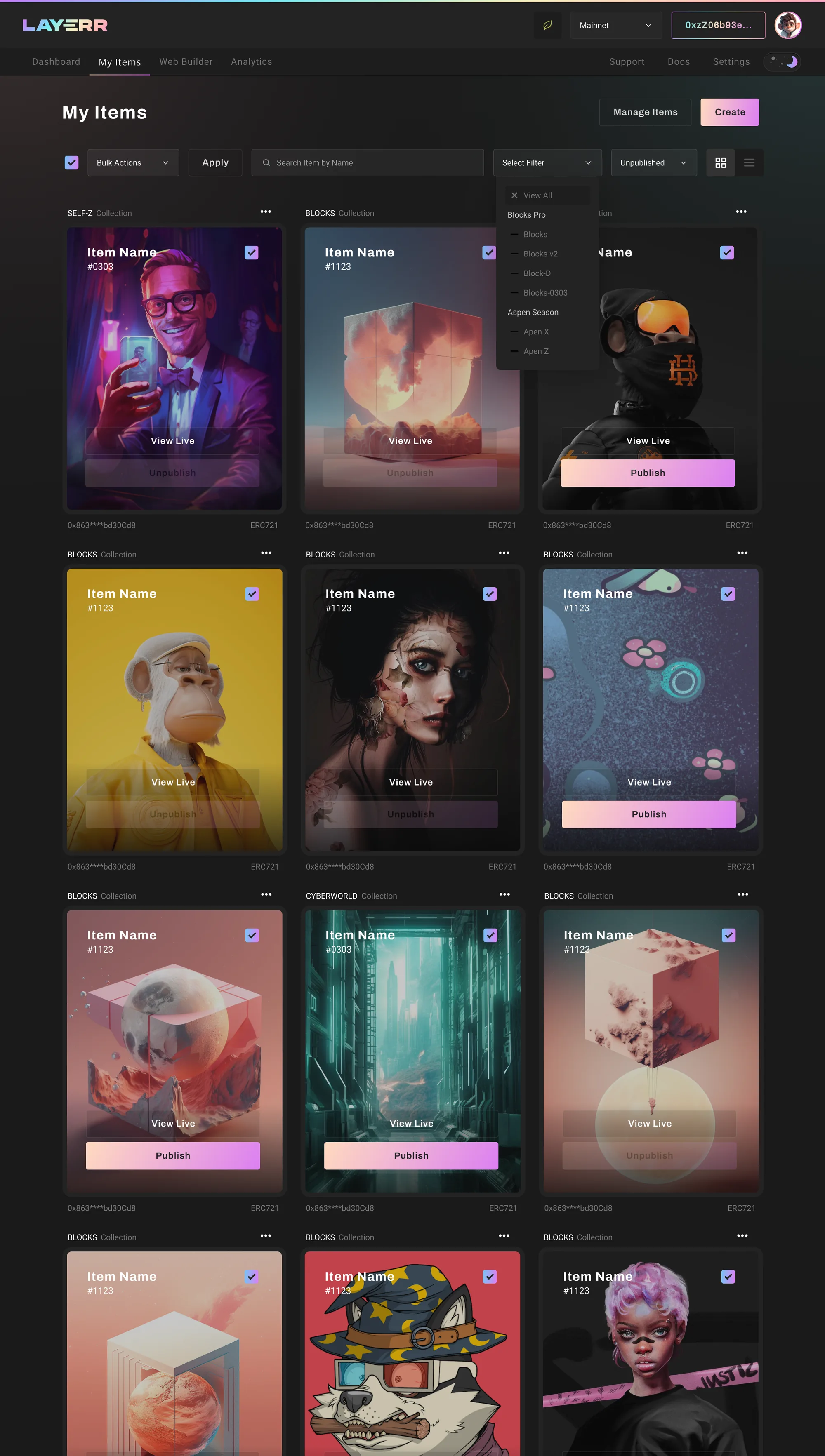
Design System
I architected Layerr's design system from zero: token system, component library, style guide, and contribution governance. The system became the team's shared contract, so consistency held and the same problems stopped being re-solved as the platform grew.
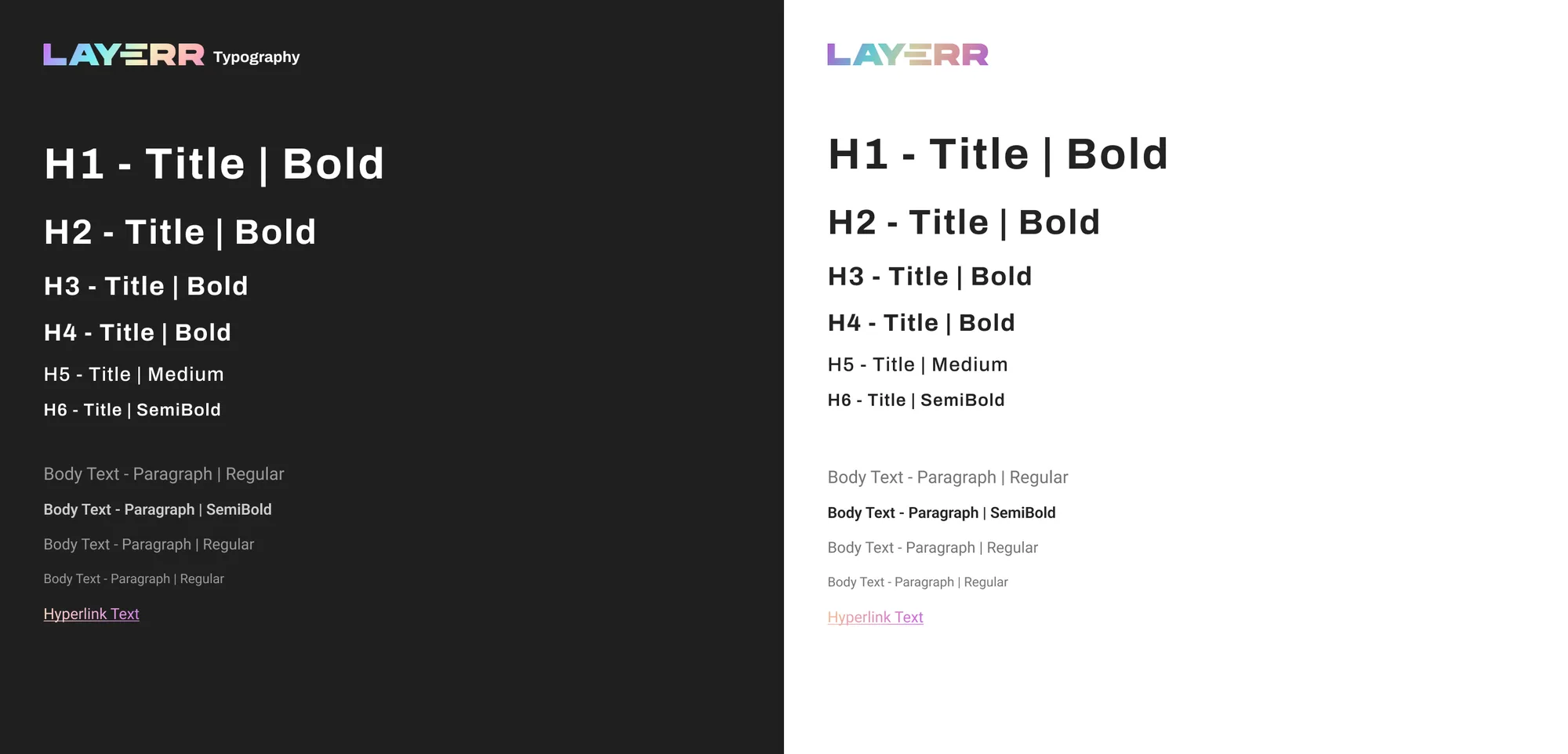
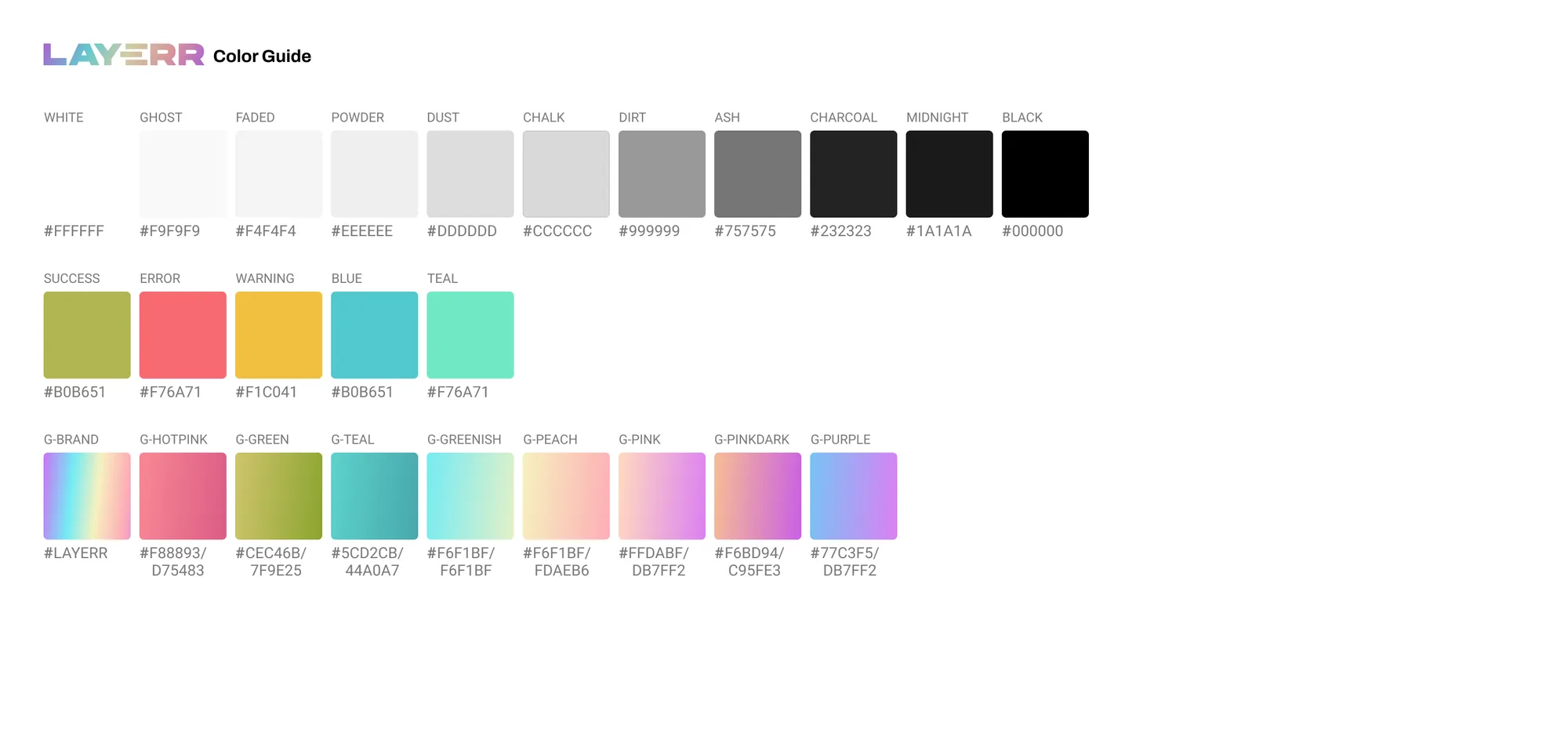
- Token System: Defined color, typography, and spacing tokens, the atomic layer every component and theme inherits, so a visual change happens in one place.
- Governance: Built contribution and update processes so the system stayed current without becoming a bottleneck. It stayed current because contributing to it was part of shipping, rather than a separate project nobody had time for.
- Engineering Alignment: Drove adoption across design and engineering through structured onboarding, reducing integration overhead and aligning teams on a shared implementation standard.
- Where it landed: The library shipped as the shared contract between design and engineering: components were implemented from the system rather than re-specified per screen, and new surfaces were assembled from existing primitives instead of drawn from scratch.
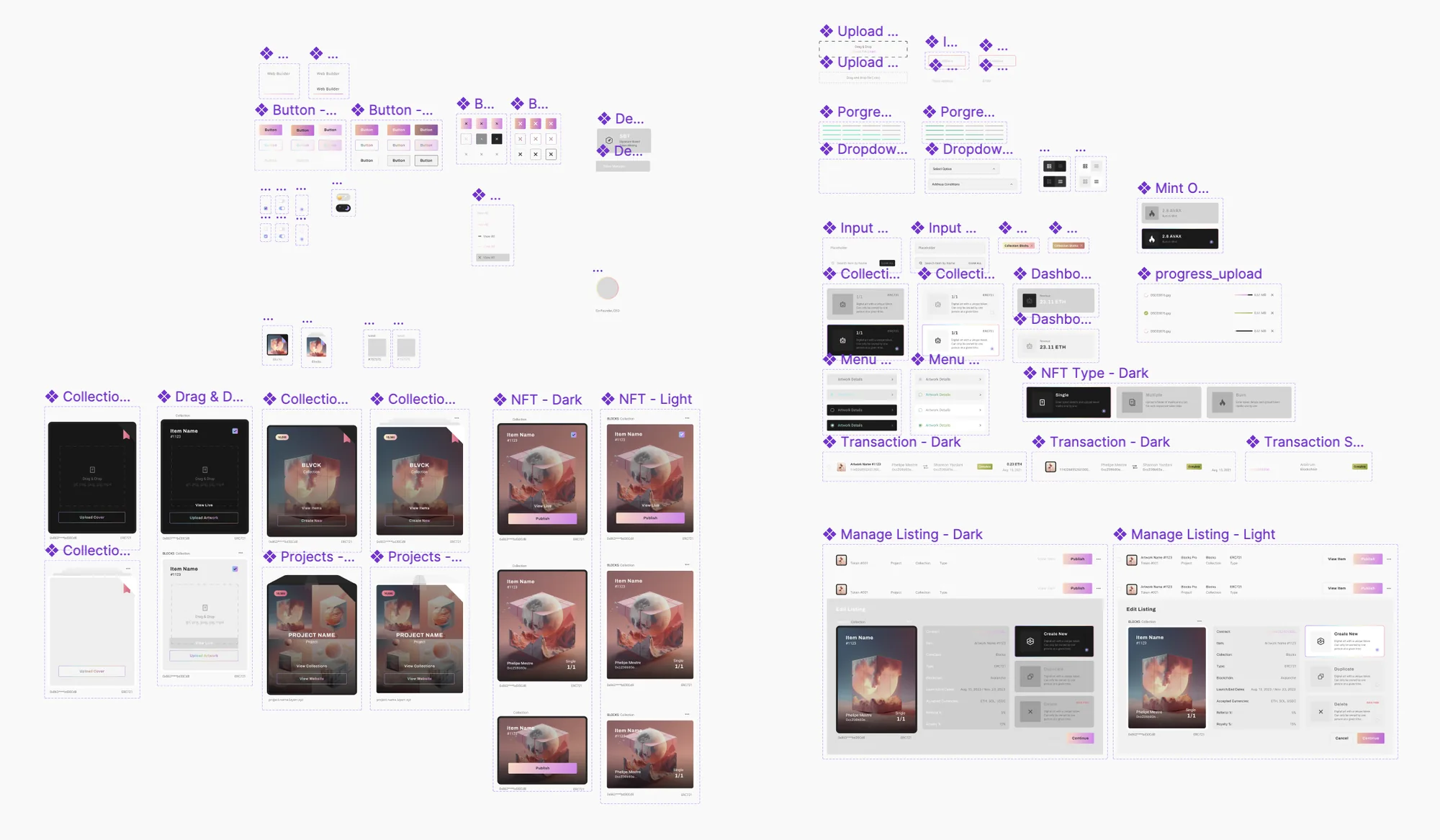
- Audit: Full audit of existing assets and workflows before building, scoped the system around the gaps that were actually costing us time.
- Architecture: Centralized the component library, token system, documentation and design principles in one place, so design and engineering were reading from the same thing.
- Components: Every UI pattern (navigation, forms, data displays, actions) defined as reusable, composable primitives. Engineers could implement without design interpretation.
Prototype Walkthrough
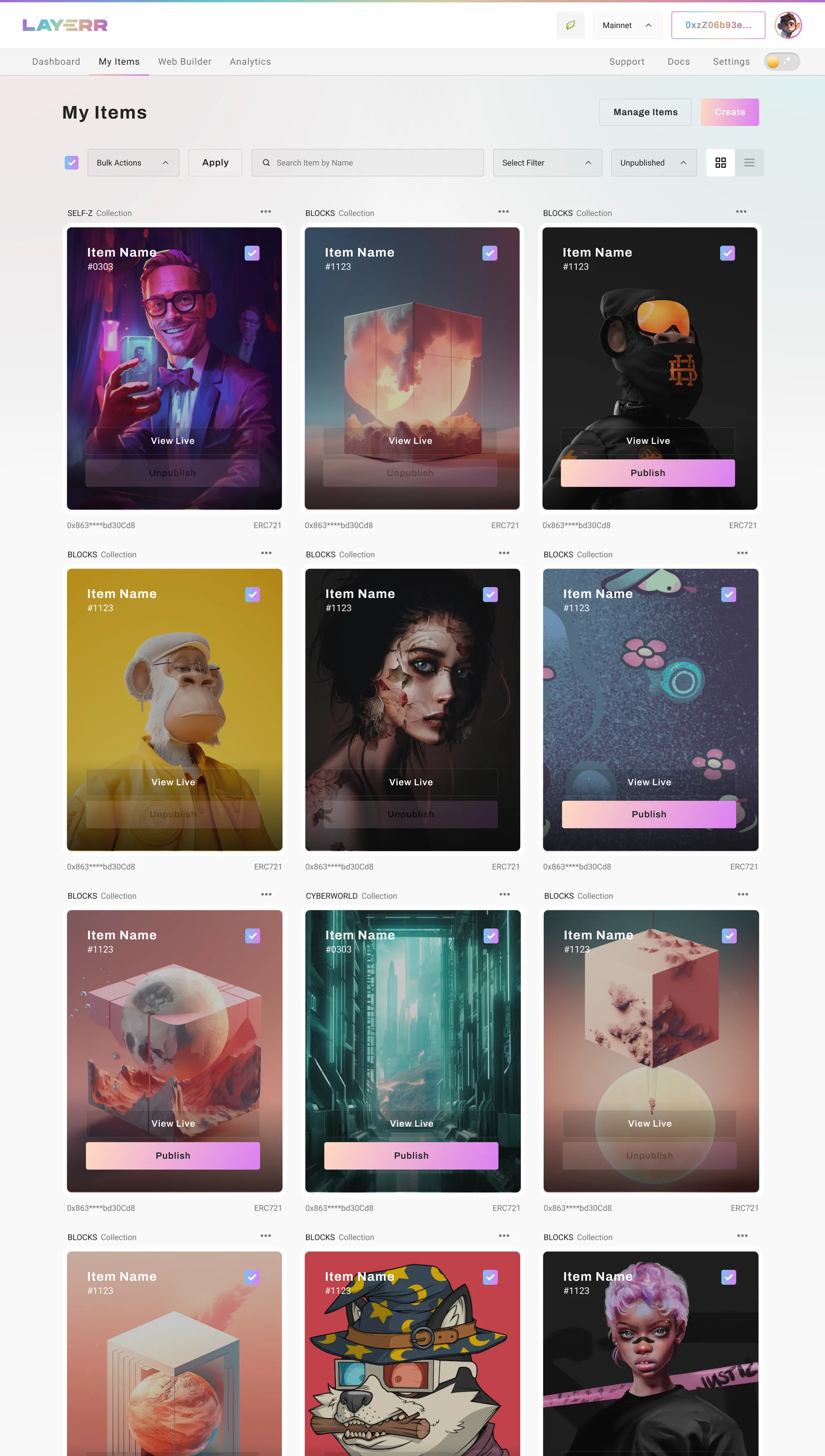
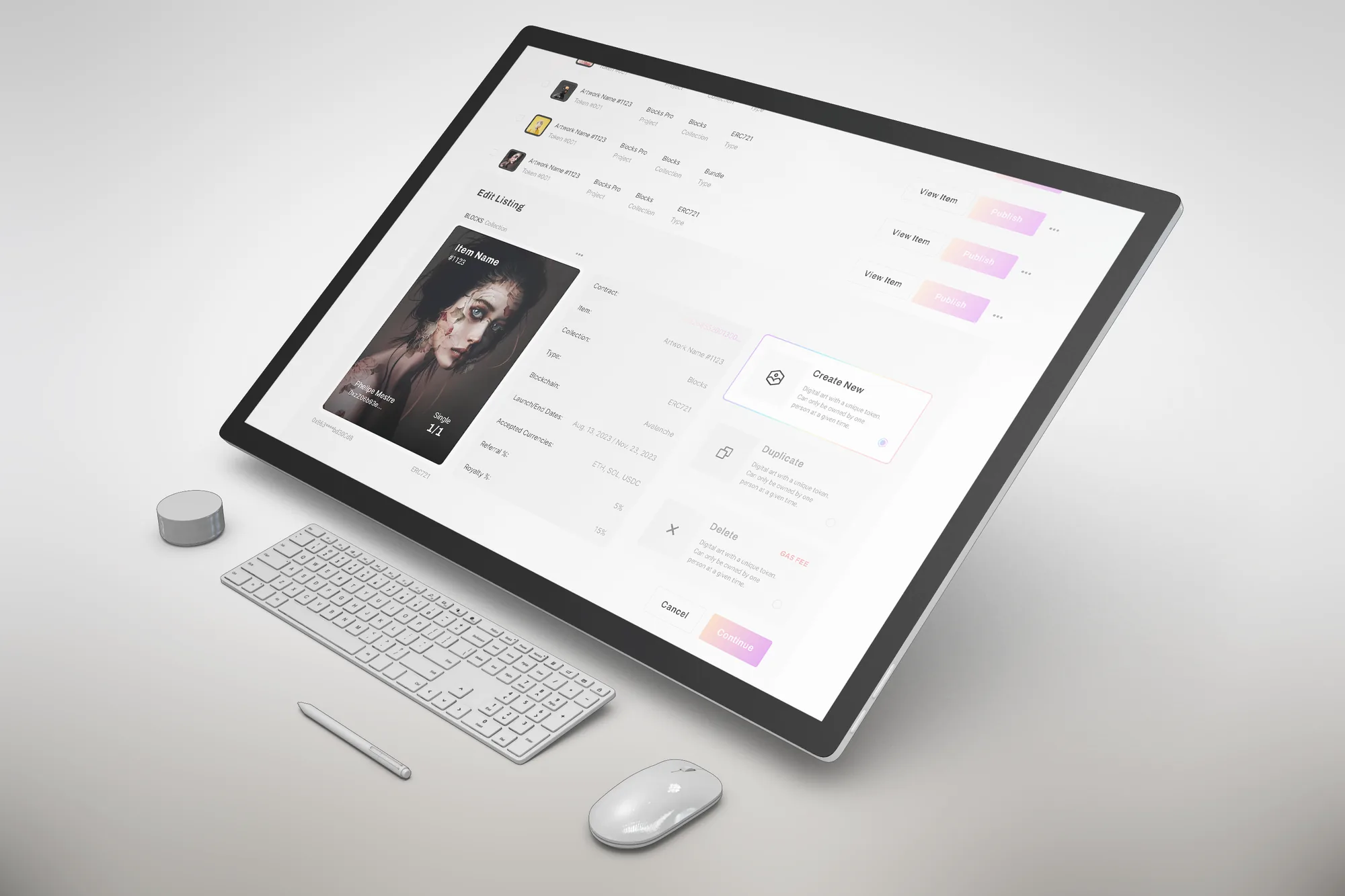
The interactive prototype used to pressure-test project and collection management with product and engineering before build. This is a walkthrough, not a controlled experiment. The platform had no traffic split at this stage, so the flow was validated against partner feedback and internal review rather than measured.
Introduction to Light Mode
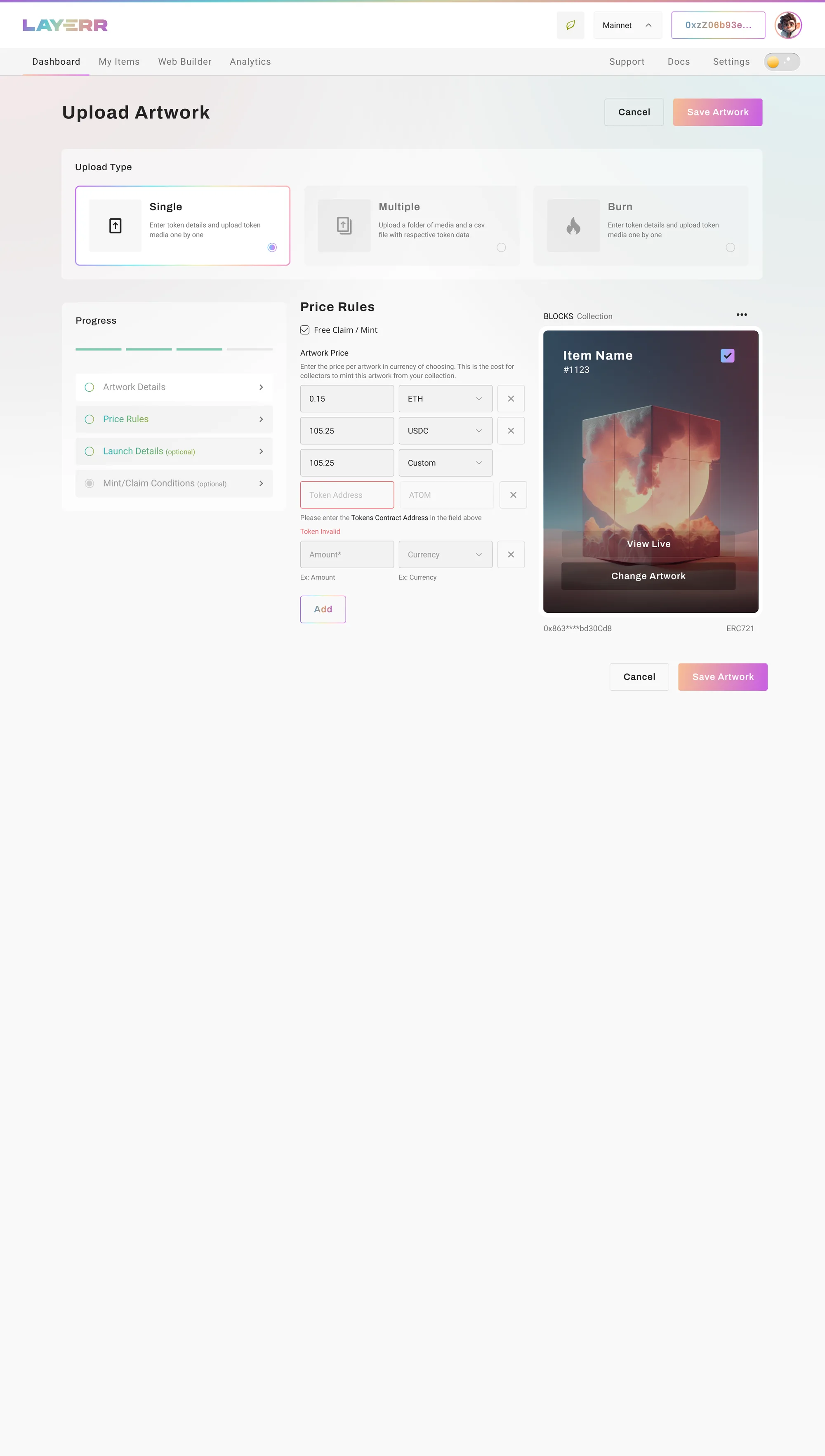
Light mode was a product decision, not a design exercise. The dark-only interface was a barrier for mainstream adoption. I built both themes as a token-based system: switchable modes off one component architecture, so any new component supports both automatically. Any new component supports both themes automatically.
The Decision
Layerr had traction and no foundation. The real question was not what the new interface should look like. It was whether to fix the structure underneath it now or later.
The path I took
Rebuild the architecture and the surface togetherI restructured the information architecture and the component layer at the same time as the visual language, so the new look and the new structure shipped as one thing. The interaction model was rebuilt around what a mainstream user expects, with the blockchain mechanics held underneath it.
The option I killed
Reskin first, restructure laterThe faster route was a visual refresh on the existing structure. It would have shown progress in weeks, kept engineering shipping the whole time, and let the IA work happen after launch, which is where that work usually goes to die.
What choosing it cost
A long stretch with nothing releasable. The redesign could not go out incrementally, so engineering held while the component layer was rebuilt and the team spent that time without the morale of shipping. It also meant re-cutting flows engineering had already built and tested, which is an expensive thing to ask of people who did nothing wrong. I took that trade because a reskin over the old IA would have locked in the structural problem for another year.
How I Knew It Held
I no longer have access to Layerr's dashboards, so this is what I can still stand behind: one tracked figure, and a set of outcomes with witnesses.
- Decision with witnesses
- Brought in as the founding designer and handed the design function itself, not just the interface.
- Design function
- Built from zero: hiring, standards, review cadence and system governance where none existed.
- System adoption
- The component library became the shared contract between design and engineering; new surfaces were assembled from existing primitives rather than drawn fresh.
- User engagement after the redesign
- Up 30%
- Theming proof
- Light mode shipped as a second theme off one component set rather than a second set of designs, the token layer held.
What was never measured
Engagement was tracked and moved; almost nothing else was. I have no figure for activation through the create-collection flow, drop-off at wallet connection, support volume tagged to onboarding, or the share of shipped components coming from the library rather than one-offs. That last one is the honest measure of whether a design system is working, and it is the one teams skip.
What I would do differently
I built the design function and led the platform redesign at the same time, which meant the governance model was written by the person with the least time to enforce it. Contribution rules that live in one person's review queue are not a system, they are a bottleneck with documentation. It was also my first time leading, and I under-delegated early. I kept the hardest surfaces for myself when handing one of them over would have grown the team faster than my version of it being slightly better.
Conclusion
Impact: Layerr went from a product with no design foundation to one with a real system, a structured team, and a platform architecture capable of supporting mainstream scale. The design system took repeated work out of the sprint cycle. The interaction model became the template for onboarding new feature surfaces.